Translated from Albanian · Original article in Albanian →
PasPerdes.com
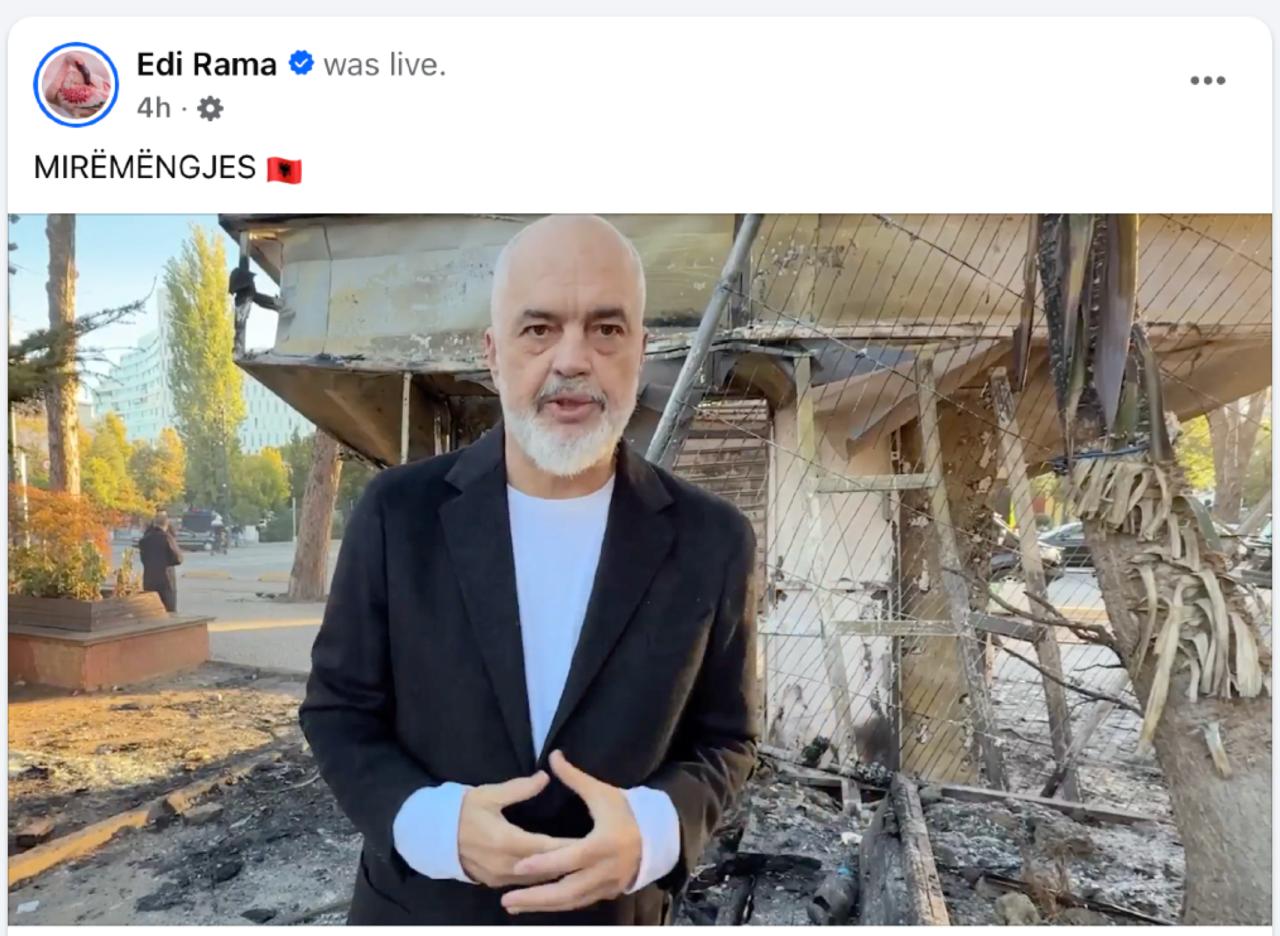
Prime Minister Edi Rama has posted a reaction on Facebook, but the comments under his post show two very different pictures: citizens who criticise him harshly, and a group of commenters who back him with epithets such as “giant”.
What stands out is that some of the commenters expressing support for the prime minister have profile pictures taken in state administration offices. These are not photos published in Rama’s comments, but profile images that raise questions about the identity and context of this support.
Is this spontaneous support, or another attempt to create the perception of greater popularity on social media?
Without an analysis of the accounts and their activity, it cannot be said with certainty whether these are fake profiles or a coordinated campaign. But the phenomenon raises a question that deserves an answer: how authentic is political debate on social media, and how much is it influenced by organised activity?
“Giant” in the comments, criticism from citizens
While citizens use the comment space to express their dissatisfaction with the government, the comments praising the prime minister try to create an entirely different atmosphere.
In the age of social media, a large number of comments and interactions can affect a post’s visibility. This makes it important to distinguish real support from any possible coordinated activity.
The army of “patronazhistë” (party canvassers), if it operates through coordinated profiles, would not change citizens’ opinion, but it could try to change how that opinion looks on Facebook.
And here lies the heart of the debate: not in a comment calling the prime minister a “giant”, but in the question of whether social media is being used to reflect public opinion or to create a curated political image.
Because, in the end, no algorithm can replace the convictions of citizens, and no flood of praising comments is in itself proof of popular support.