Translated from Albanian · Original article in Albanian →
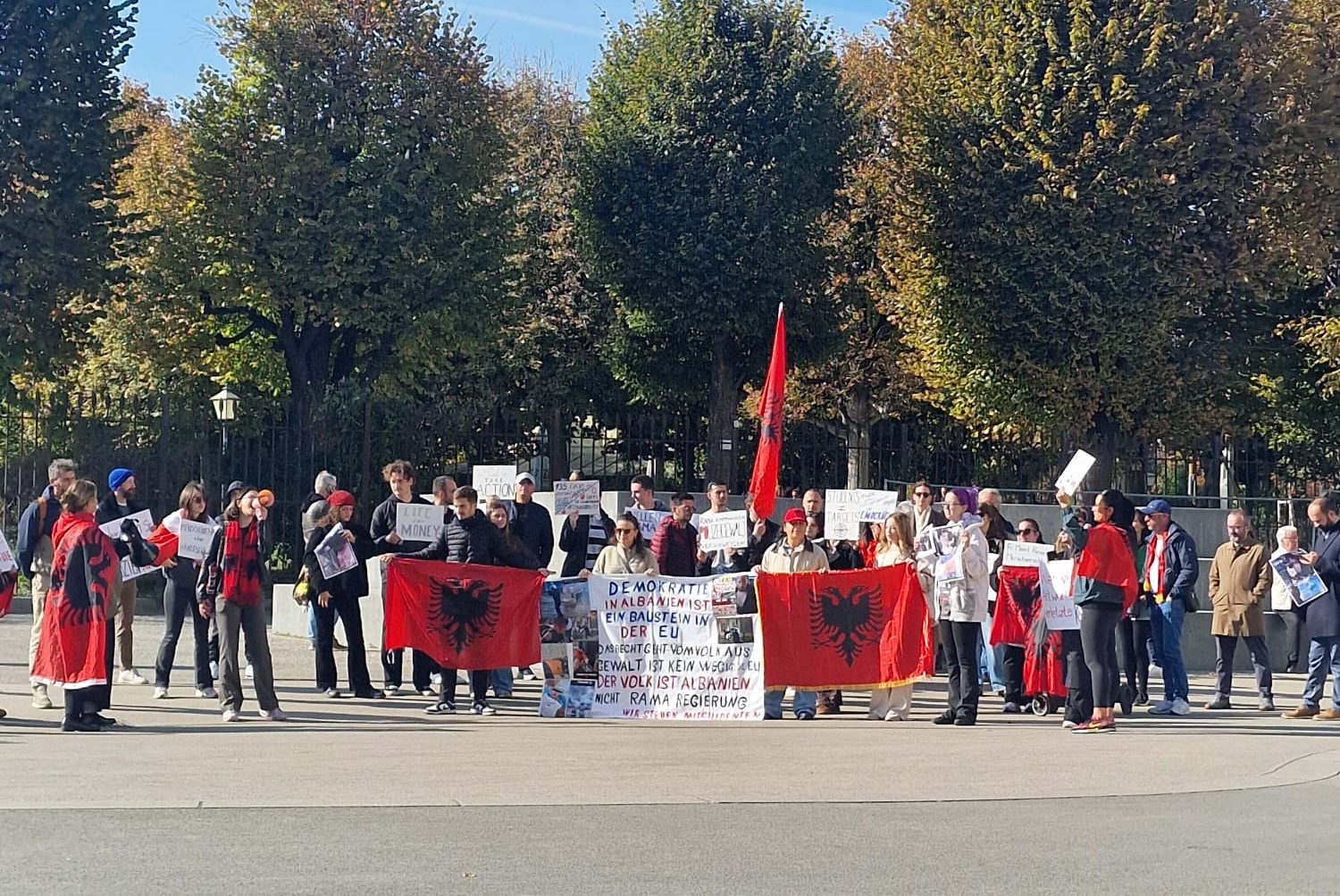
In Albania, solidarity is growing in response to police violence. Many Albanians said they were shocked by the conduct of the security forces. According to official reports, at least 120 police officers and 32 protesters were injured within four days.
By Faustine Vincent, LE MONDE
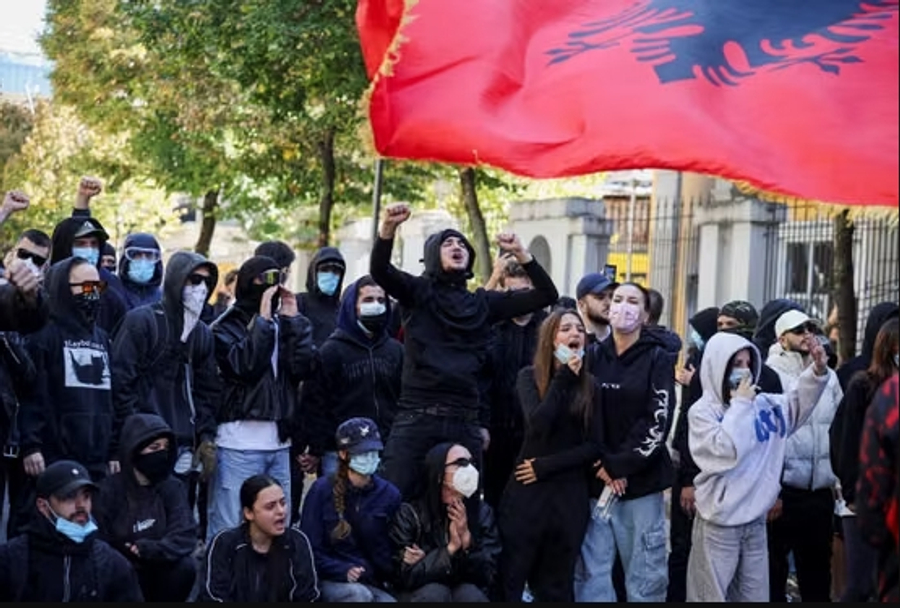
Elson Jaçaj said he could not remember ever having seen such police violence before. The 42-year-old nurse, who runs a private clinic in Tirana, the capital of Albania, said he was horrified by the way the security forces were treating the protesters. Most of them are students demanding the resignation of Socialist Prime Minister Edi Rama, better living conditions and an end to corruption.
“Police officers should not treat children like adults,” he said indignantly as he prepared medical supplies at his clinic on Friday, October 16.
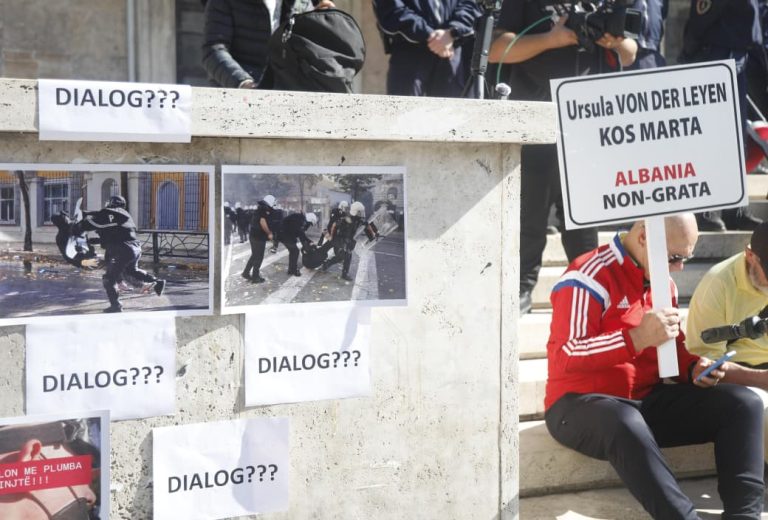
The daily protests, which had been peaceful since they began on May 31, escalated sharply after thousands of students joined the movement on October 13, in response to what they called the prime minister’s “indifference” and “contempt.” Rama has been in power for 13 years.
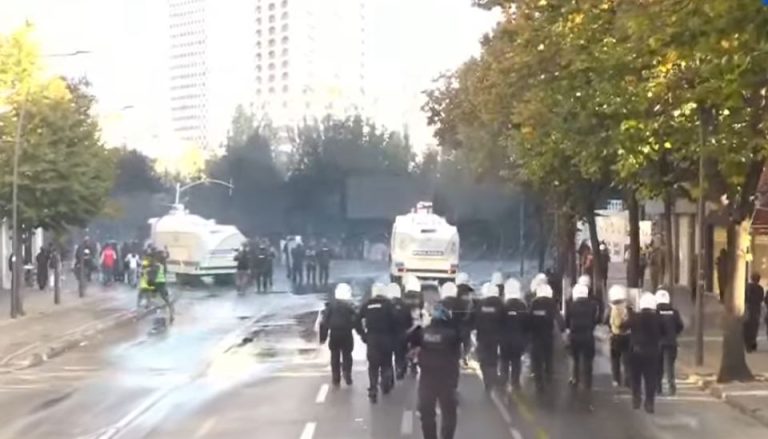
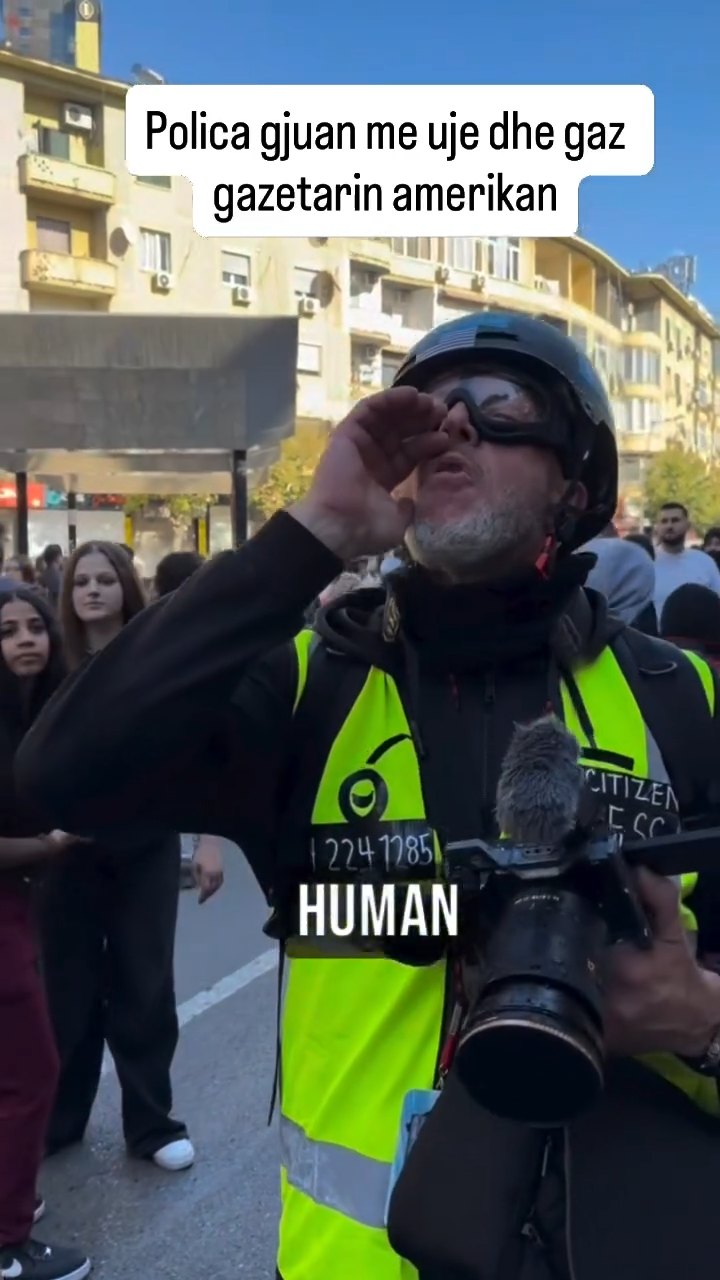
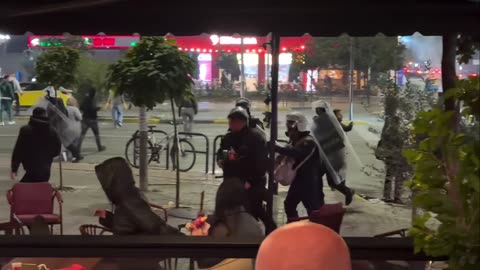
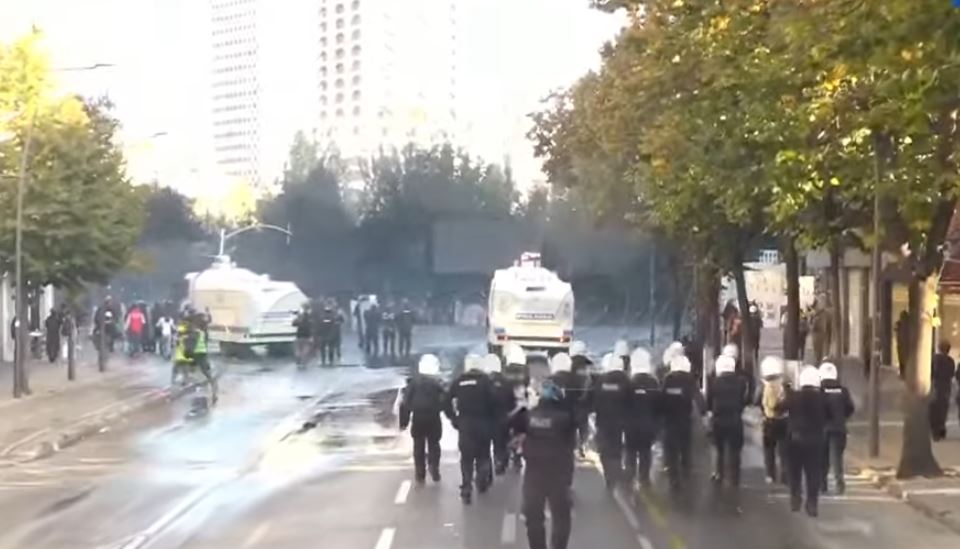
Despite acts of vandalism committed by some demonstrators against public buildings and private property, the police response, with water cannon, rubber batons, sometimes violent clashes, tear gas and, according to some protesters, the throwing of stones, has shocked many Albanians, who previously tended to see the police as the guarantors of their safety.
At the end of May, when a peaceful protester was beaten and forcibly dragged away by private security agents while police stood by without intervening in Zvërnec, in the south of the country where the protests began, hundreds of outraged people took to the streets of Tirana.
Since Tuesday, clashes between police and protesters have become much more frequent and more violent. According to the police, by Saturday 500 people had been taken to police stations for acts of violence, of whom 330 were released.
The protests have also spread to several other cities, where students are organizing university boycotts. On Friday, the prime minister called for calm and condemned what he described as interference by “foreign hands,” without specifying whom he was referring to. According to him, the protests aim to obstruct Albania’s efforts to join the European Union.
Meanwhile, in solidarity with the protest movement, Elson Jaçaj decided to make his clinic available to injured protesters free of charge. The announcement spread on social media.
On October 15, the nurse treated two young men who had suffered burns from fireworks. He also called on his colleagues in the public sector to join him, but without success.
“They are afraid of losing their jobs,” said Jaçaj, who was dismissed from a public hospital seven years ago after openly denouncing problems there.
Instead, he managed to find around ten volunteers among medical students. For three days, the group, accompanied by three nurses, has been moving around the Albanian capital giving first aid to the injured, most of whom have minor injuries.
According to the latest available official figures, at least 120 police officers and 32 protesters have been injured since October 13.
Jaçaj insisted that the real number is much higher: “My team alone has treated more than 20 people with minor injuries.”
The Military Hospital, where the most serious cases are taken, does not allow anyone in, which Le Monde was able to confirm. Medical staff have also been instructed not to speak to the press.
“The police are throwing stones”
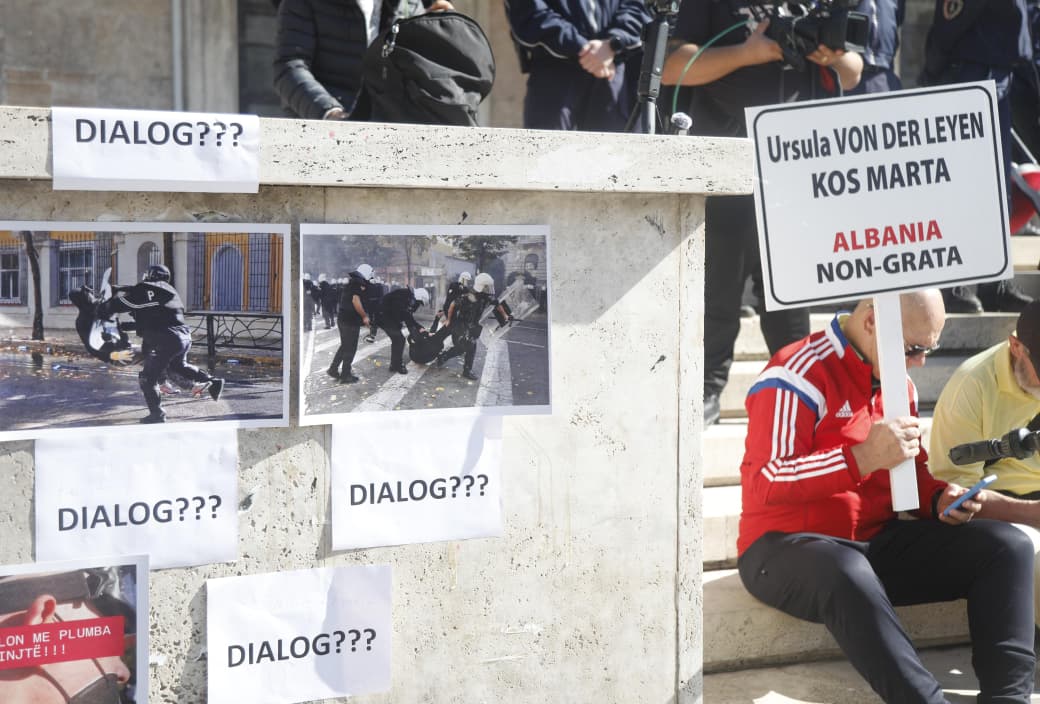
On Friday, two police officers were suspended on the orders of the Director General of the State Police, Skënder Hita, after videos were published that suggested disproportionate use of force during the protests in Tirana. “I have never seen such police violence,” said Alba Droika, 33, who had gone that day to help the medical volunteers during the demonstrations. The digital specialist, who had taken part in the Flamingo Revolution rallies in June, recalled that even then the police “were already using violence against demonstrators who were completely peaceful.”
Behind her, in the street, several hundred students were facing the security forces. The crowd kept retreating under pressure from the police and clouds of tear gas. Students were running and shouts could be heard: “The police are throwing stones!”
A young man was arrested and dragged along the ground by five police officers as passers-by watched in shock.
“Criminal police!” shouted a shopkeeper.
“Leave the boy alone!” cried a woman in her fifties wearing a suit. In the chaos that followed, she was hit in the face by tear gas.
Paula Pesala, 23, a medical volunteer, rushed to rinse her eyes with saline solution. Meanwhile, an elderly man came over and left a 2,000 lek banknote (about 20 euros), along with bags of food for the volunteers, on the makeshift table near the protests.
“There is a lot of solidarity,” explained the young woman, who was wearing a gas mask. Clinics, pharmacies and private businesses are providing the medical volunteers with supplies and health services free of charge.
“When someone is injured, people even offer to take them to hospital instead of waiting for the ambulances, which are very slow to arrive,” added Pesala, a project manager trained in first aid.
Arben (a pseudonym), a law student wearing a surgical mask and dark glasses, said he too had been beaten by police officers. “They hit me in the neck with stones,” he said between two police charges. “I also have a friend whose leg they broke. It’s shameful.”
He said he had no intention of giving up the protests.
Disillusioned, he denounced the severe lack of resources in education and healthcare, very low wages, very high rents and corruption, which, according to him, is eating away at the entire political class.
“I worked for two years as a legal adviser in the government, on a salary of 600 euros a month, while rent costs 800 euros,” he said with a sigh. “I live with my parents, who work 12 hours a day for a ridiculous wage, and I can’t even imagine starting my own life and getting married. We have no future.”