Translated from Albanian · Original article in Albanian →
by Andi Bushati
This youth revolt has had one great merit. It has made known to the wider public the most criminal side of this regime, which until now had been preserved in its most hidden corners. If the extremely peaceful flamingo revolution showed us that this government was no longer popular, its radical epilogue, with stones and Molotov cocktails, is serving to bring into broad daylight that the autocrat is capable of using any means to stay in power.
For a decade, or more precisely since the 2017 elections, when the Socialist Party took the helm alone, one debate has split society into two large camps: whether Edi Rama is an autocrat who can be removed through elections. One side argued that, for better or worse, Albania remained a democracy, where power should be decided only through the ballot box, and that as long as this did not happen, the fault lay mainly with the opposition, but also with the system changed in 2008 and with weak counter-powers such as the media or civil society, and so on.
The other side insisted ever more strongly that the criminalisation of governance, the flow of dirty money, and the capture of the justice system and the major television channels had made a normal political rotation impossible. According to them, if Edi Rama were ever toppled, it would happen only through revolt, because he had usurped power so badly that he had no intention of being dislodged from his seat.
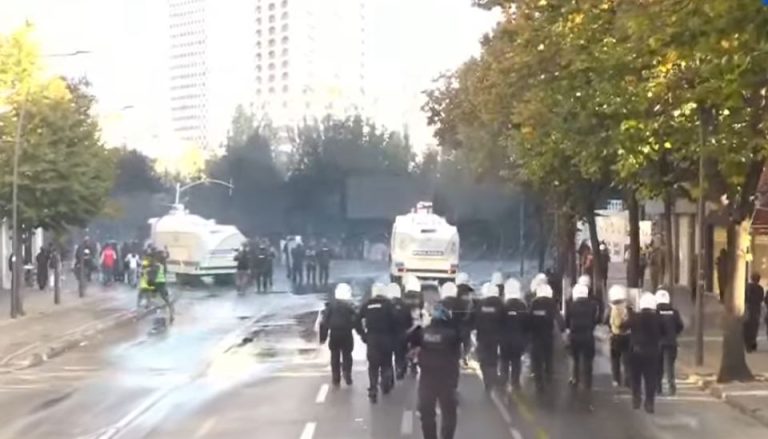
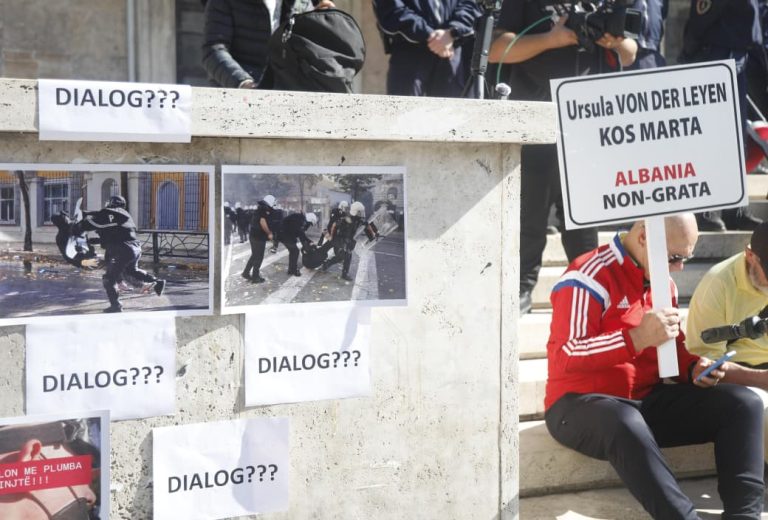
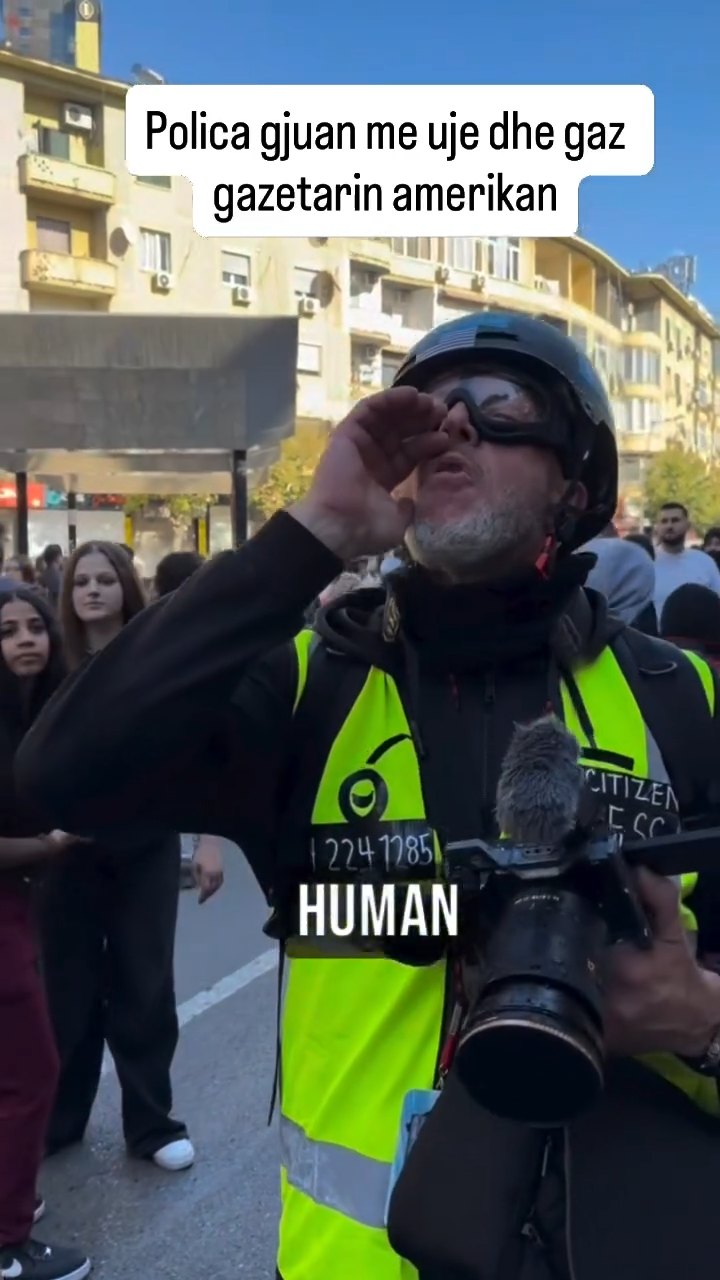
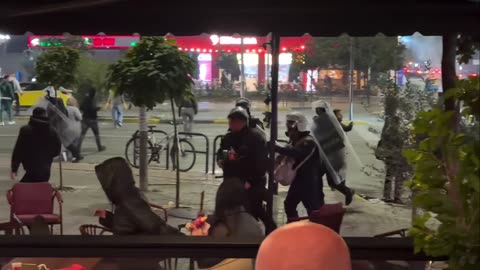
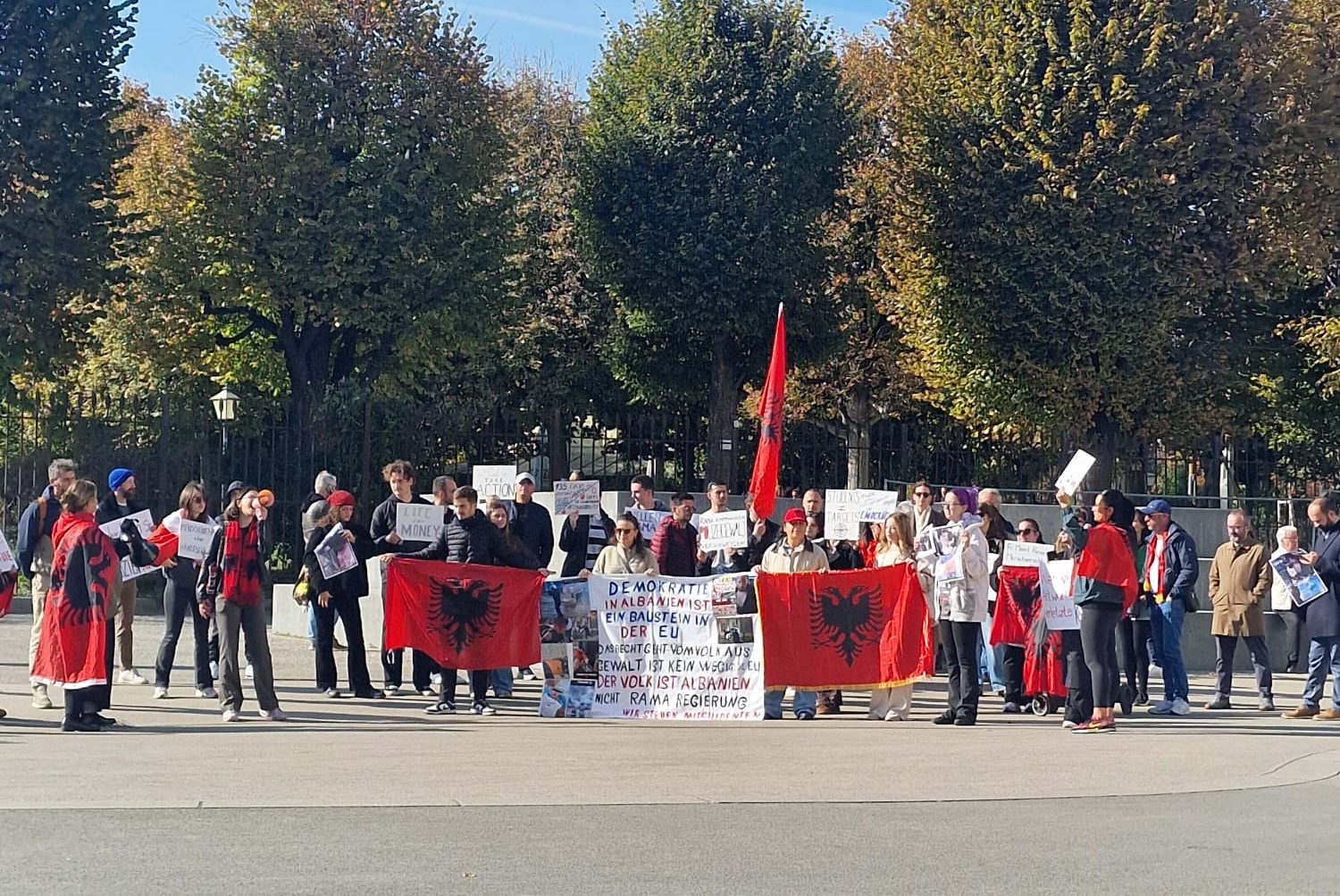
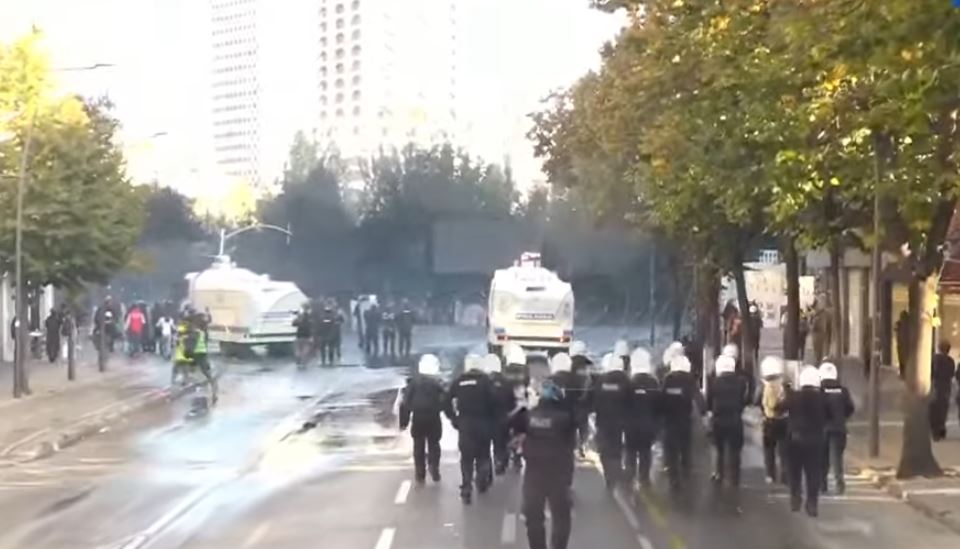
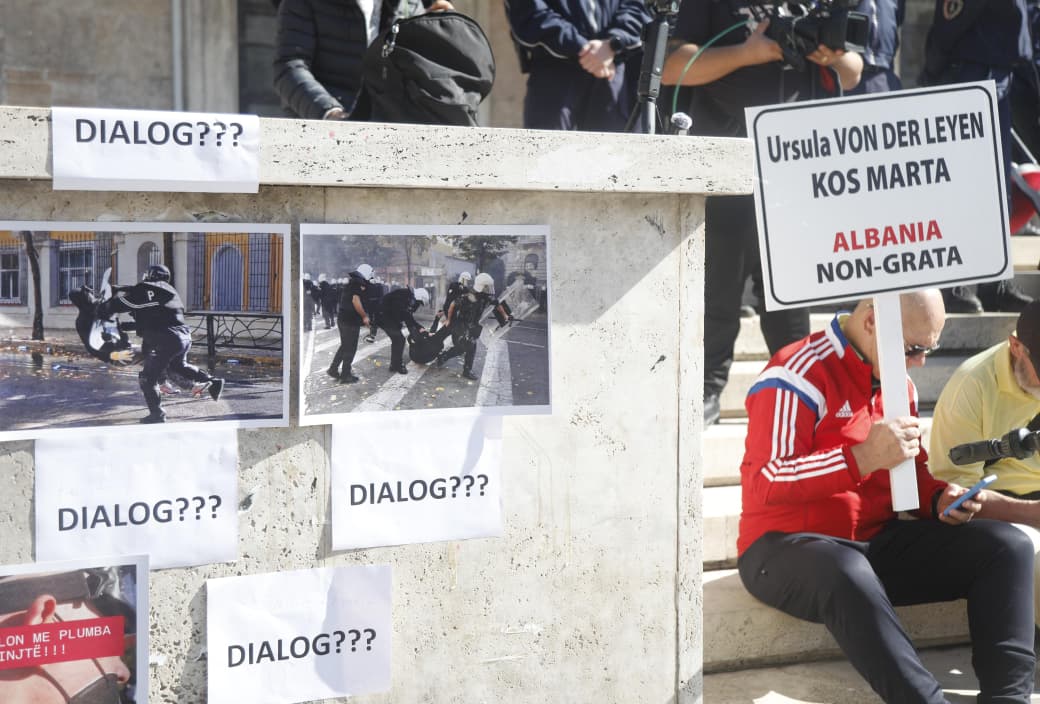
The events of the last four months, and especially those of the week we have just left behind, have resolved this dilemma. They showed that the prime minister is ready to hold on to power even with blood. Savage police violence, tear gas, the beating of adolescents in front of the cameras, all of this under the laughable slogan that “Edi is the only one who can take us to Europe”, have settled the dilemma that has tormented us for years. Rama has hardly left himself the option of a third life beyond politics: he will either stay in his seat or end up in prison.
But now, when this has been understood by almost everyone, the advocates of the “peaceful path”, who for the most part are nothing other than crypto-Rama supporters, have changed their skin. They admit, for appearances’ sake, that this clique has been discredited amid unimaginable corruption scandals; they acknowledge that the flamingo revolution exposed a great popular discontent, hidden until now through rigged elections; but – because there is always a but – they condemn the escalation of recent days and shed crocodile tears over the destruction.
From the first dilemma they are now trying to impose a second: Is violence the solution?
Let us try to unpack this question. There is one episode that helps us understand everything. That of a small group of enraged adolescents who broke away from the crowd to go with stones towards the Socialist Party. They attacked the headquarters, struck it and broke windows. But this act, seemingly unacceptable, brought to light a greater truth. That the ruling party was not protected institutionally by the police, but by armed bands of paramilitaries who, besides being illegal, were formally also employees of the IKMT, meaning they were paid from everyone’s taxes only to serve the Socialist Party. So did those stones on the windows not serve to reveal before the public the face of an already criminalised party, the merging of the administration with the Rilindja movement, and of bands with stakes in their hands with the ruling party?
The same comparison can also be made with the episode of the violent assault on the Ministry of Education. Had it not happened, would we ever have learned that the killing of Klodian Rasha was not a coincidence, but that inside the blue uniforms it is not an isolated case, the archetype of the cold-blooded criminal who strikes you to break your leg after he has already immobilised you, who uses bestial violence when he could simply escort you humanely, who thinks nothing of using rubber bullets and even throwing the stones back at you?
And if the cobblestones on the boulevard had not been torn up, would we have had the chance to see the true face of the autocrat, who from first thing in the morning lashed out at his own people: “you are a herd of incompetents and good-for-nothings who cannot beat me in elections”? Would we have seen him threatening the families of protesters, and some of the women of his harem blackmailing parents that their children would not come home?
This youth revolt has had one great merit. It has made known to the wider public the most criminal side of this regime, which until now had been preserved in its most hidden corners. If the extremely peaceful flamingo revolution showed us that this government was no longer popular, its radical epilogue, with stones and Molotov cocktails, is serving to bring into broad daylight that the autocrat is capable of using any means to stay in power.
And once you have learned this, the standard phrases that in a democracy the vote decides in the end seem utterly laughable. It is even more nauseating to watch those television studio debates where they take on two or three adolescents with fabricated questions: “how will you bring down Rama”, “how will you go to elections”, “what alternative do you have”?
Of course, just like these useful idiots, everyone knows that in the end everything comes down to the popular vote. Even in a crisis like that of 1997, which for now was greater than today’s, the change of power came through elections. But the point is how it got there. The state had to collapse, people had to take up arms, and Berisha had to be denied any formal or occult force in his hands, because otherwise he would have obtained through elections the same plebiscitary result he had reaped a year earlier.
Today too, before we preach to these revolted adolescents the hypocrisy of the peaceful path, before we demand from them accounts of their convictions and political alternative, we should thank them, because with their courage they are tearing down, one by one, the bricks of a criminal regime. Then, if they succeed, the conditions will exist for everyone to go and vote according to their own convictions and preferences.
But for now we are not at that stage, because neither has the full exposure of the traits of this violent caste been completed, nor have the barriers leading to freedom been definitively broken down. Only if this process goes all the way will even those who were initially frightened by what they stigmatised as violence become aware of the face of an autocracy that had stripped this society of every other alternative.
LAPSI.AL